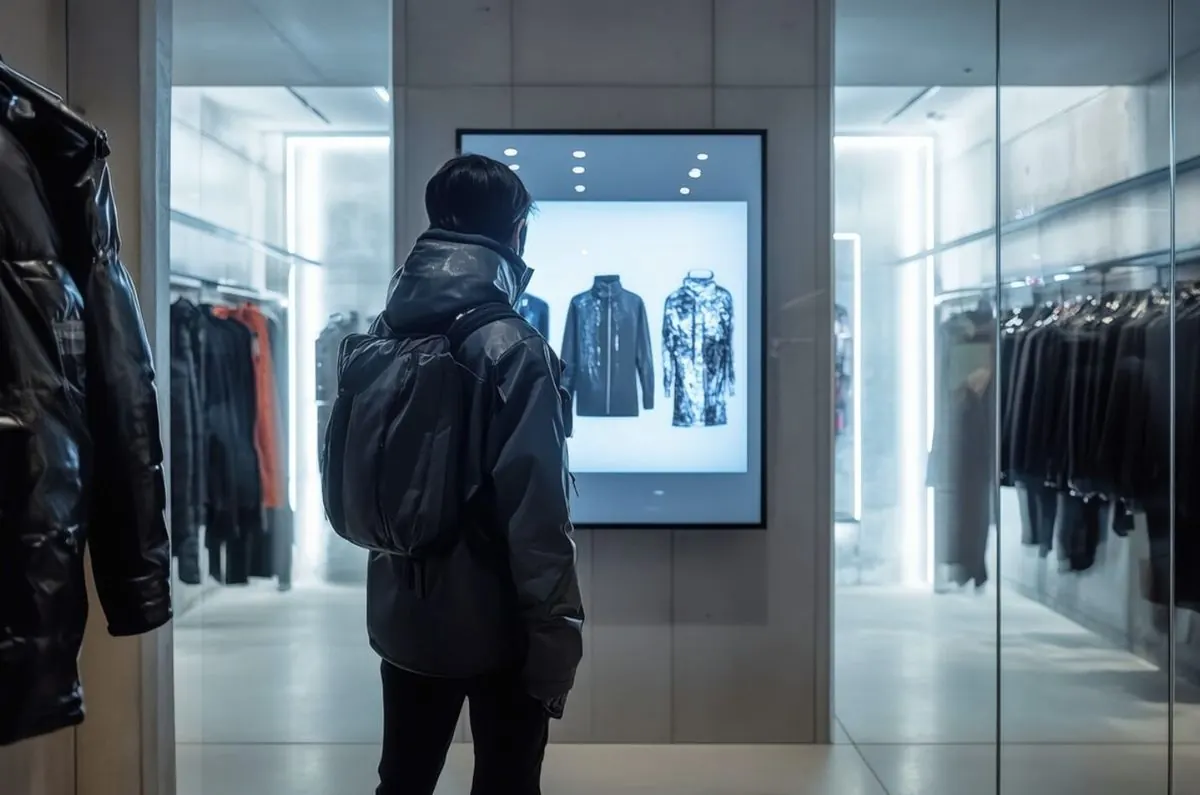
The role of brick-and-mortar stores has rapidly evolved over the past few years. Despite the speed and convenience of online retail, people still crave the in-store experience — visiting physical stores lets customers ask questions, seek support, and browse products in a way online can't replicate.
Brands have to be able to capitalize on this appetite effectively. Today's stores must offer connected omnichannel services that deliver immersive, seamless in-store shopping experiences, and deploy the latest technologies that let in-store associates take care of visitors and cater to their individual needs.
According to the UK Omnichannel Retail report, 61% of consumers still favor in-store shopping, while 39% shop mostly online. With the rising cost of living making many shoppers mindful of wasteful spending, a number of online-first brands, such as Gymshark and Manière De Voir, have expanded into brick-and-mortar with pop-ups and permanent store placements.
The increase in customers heading back to stores has led shop owners to turn to retail technology to modernize in-store experiences, utilizing tools such as radio frequency identification (RFID) and mobile point of sale (POS) to optimize sales opportunities and free up in-store staff to focus on the customer. But to bring the excitement back to in-store shopping, retailers must go further and create genuinely engaging ways to reach customers in 2025.
The In-Store Popularity Complex
A recent Statista study found that by the end of 2024, only 26.5% of UK retail sales came from internet purchases. With nearly three-quarters of transactions taking place in-store in the build-up to the festive season — the busiest shopping period of the year — it's clear consumers still prefer shopping in-store.
But while consumers might be flocking to the high street for a high-quality in-store experience, a busy, chaotic shop floor can cause frustration, queuing, and a fragmented customer journey — the opposite of what an in-store visit is supposed to deliver.
Delivering High-Quality Experiences on a Busy Shop Floor
Technology plays a pivotal role in delivering on that experiential promise. By equipping in-store staff with the right tools, retailers can let their sales floor team work efficiently while delivering personalized customer experiences that leave shoppers feeling valued.
The point of sale is one of the most crucial touchpoints in the retail journey and often the final opportunity to deliver a high-quality experience, which makes seamless, fast transactions essential. Evolving the self-checkout experience gives customers autonomy, and when integrated with RFID — where readers automatically scan every item in a basket at once — in-store visitors can complete transactions in under 30 seconds. A frictionless checkout helps retailers deliver real customer satisfaction while actively reducing shop floor queuing.
High-quality customer service can go one step further with mobile POS devices, letting customers complete transactions anywhere in-store and eliminating the need to queue at all. Operating from a tablet or mobile device, retailers can integrate wider operational technologies — CRM, order management, and inventory management — to leverage accurate data that powers personalized experiences.
Shop staff can use purchase history and customer preferences to make specific product recommendations, conduct buy online, pick-up in-store (BOPIS) transactions, process returns, and give customers accurate product availability and location information. On a busy shop floor, this all-encompassing approach to retail technology equips in-store staff with the knowledge to deliver services tailored to the individual customer — and to do all of it before completing a transaction on the spot.
Modernizing the Customer Shopping Experience
Brick-and-mortar retail is thriving. By taking a modernized approach to the in-store experience — leveraging technology to empower shop floor associates to deliver the best possible experience — retailers can drive high customer satisfaction in the short term and increase customer loyalty and retention over the long term.