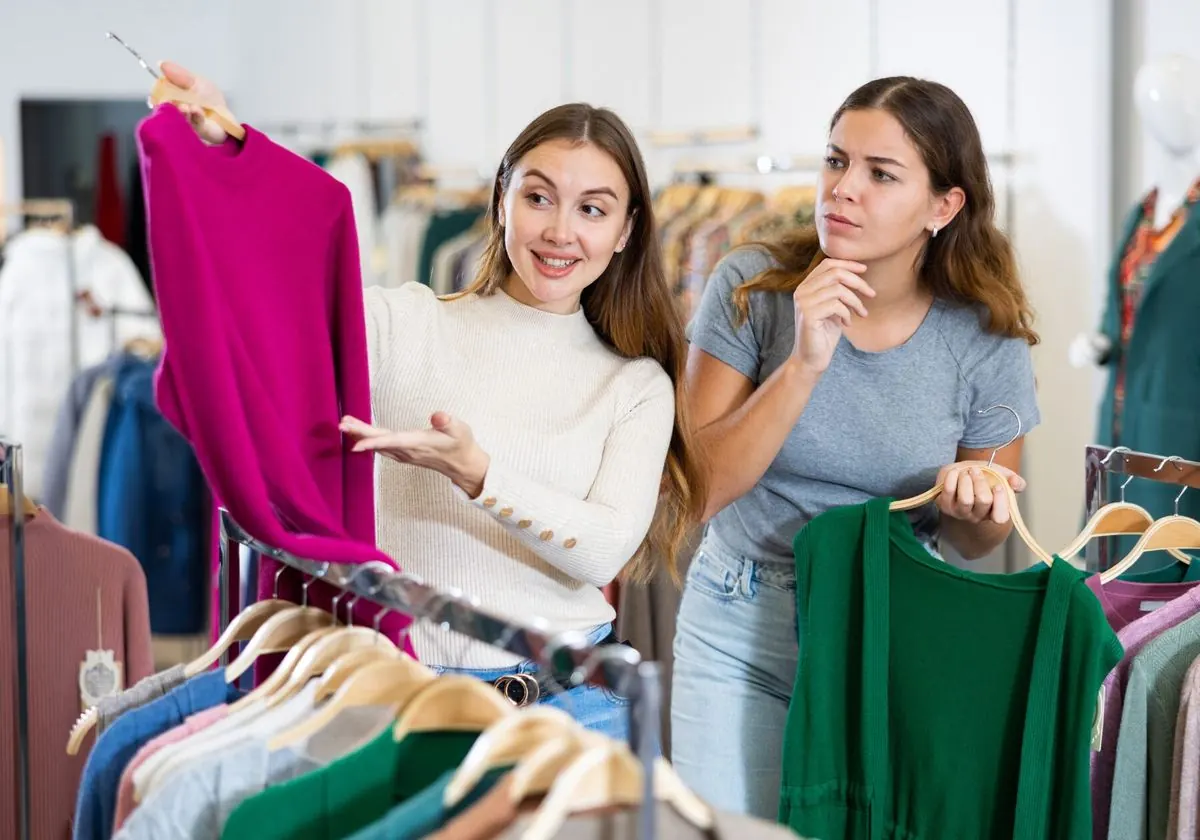
The retail industry has changed a lot over the past decade. E-commerce redefined how consumers shop, and omnichannel retail gave customers more ways to buy than ever. But despite the convenience of shopping online, many customers are returning to brick-and-mortar. According to Statista, brick-and-mortar retail channels generated an estimated $21.8 trillion in sales worldwide in 2024, out of roughly $29 trillion in total retail sales. That shift isn't just a trend: it points to a real appetite for in-person shopping experiences, immediate product access, and human interaction.
Tangible shopping experiences
According to the BoF-McKinsey State of Fashion 2025 report, 54% of apparel shoppers prefer to buy clothing in brick-and-mortar locations rather than online. A big part of what's pulling shoppers back into physical stores is the chance to see, touch, and try a product before buying it. Whether they're testing a new item or judging the quality of one, shoppers find in-person shopping more reliable, and the sensory side of it, feeling the fabric, checking the true color, simply browsing, is something online shopping can't fully replace.
That said, there's real opportunity in-store for retailers to capture. The same BoF-McKinsey report found that 75% of shoppers in 2022 were likely to spend more after receiving high-quality service from store staff, pointing to real upsell and cross-sell potential. But more than 60% of shoppers cited poorly trained or unprepared staff as a source of frustration with their store experience. That's a strong argument for well-trained associates equipped with the right technology. With Teamwork Commerce's Mobile POS, associates can complete checkout from anywhere in the store, cutting down queues and boosting satisfaction, while also instantly pulling up customer data and loyalty-based discounts on the spot.
Instant gratification and experiential retail
Instant gratification is another reason shoppers choose physical stores. Being able to touch, try, and experience a product firsthand gives customers confidence to buy on the spot, without worrying about sizing or quality, which also means fewer returns and a more satisfying experience overall.
Recognizing this shift, retailers are turning stores into destinations rather than just points of sale, in-store demonstrations, live events, personalized styling sessions, and smart dressing rooms are all part of that push. It drives foot traffic and builds a deeper connection with shoppers. Turning that traffic into loyal customers means delivering a seamless checkout experience, and RFID-powered self-checkout is one way to do it: it can scan an entire basket in a single pass, letting customers complete a transaction within seconds. That means more transactions in a day and more time for associates to spend on personalized service rather than manual scanning.
Omnichannel and reduced returns
The rise of omnichannel retail has had a knock-on benefit for brick-and-mortar. In-store shoppers used to be a separate group from online buyers, but omnichannel has blurred that line: online buyers now visit stores too, using options like buy online, pick up in-store for convenience, cost savings, and spontaneity.
That means stores are reaching a wider audience, but it also means online and offline experiences need to be unified. If a shopper comes in to collect an online order, associates need to be able to complete that handoff in moments, which requires real-time data flowing between platforms, an order memo created automatically so the product is ready and waiting at pickup. Getting that right eliminates out-of-stock disappointments, improves satisfaction, and encourages repeat visits and word of mouth.
The takeaway
The return to brick-and-mortar means retailers now need to differentiate their store experience to stand out. It's an opportunity to re-imagine what a store visit is for, not just a transaction, but a place for engagement, discovery, and building a relationship with a customer. Retailers that adapt to that shift are the ones positioned to thrive in this next era of retail.