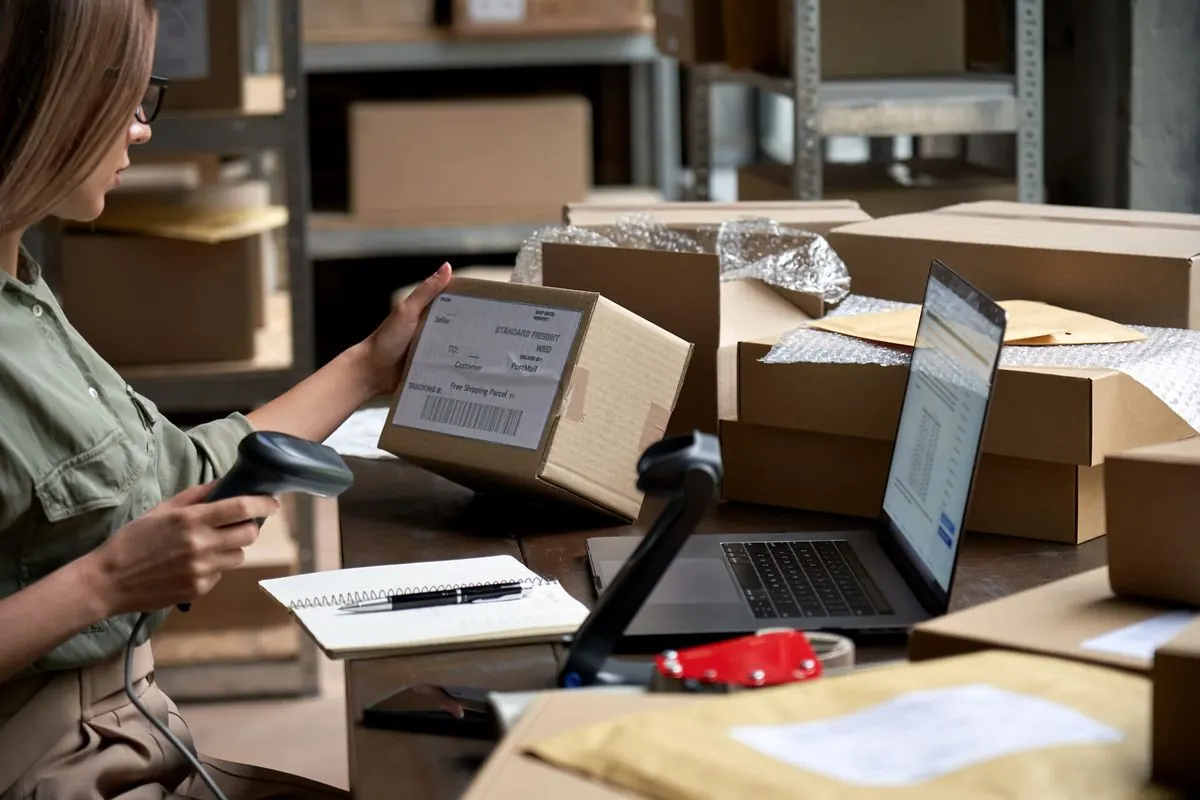
Inventory optimization is no longer just about keeping shelves stocked, it's about syncing supply and demand across every touchpoint. Traditional inventory systems often operate in silos, creating gaps and reducing efficiency. As consumer expectations rise and the number of fulfillment channels grows, brands need smarter technology to gain end-to-end visibility, reduce waste, and protect profitability.
Fragmentation in inventory management: why retailers need to address it
Retail solutions that don't communicate in real time create friction and operational inefficiency. The result is delayed stock updates, inaccurate demand forecasting, inventory piling up in one location while another runs short, poor customer experiences, and lost sales from either out-of-stocks or excess inventory that isn't in demand. The IHL Group estimates that retailers miss out on almost $1 trillion in sales annually due to out-of-stock items, a figure that underscores how urgently retailers need to streamline inventory management. Optimized, integrated inventory doesn't just improve operations today; it also gives retailers the real-time data they need to shape future strategy.
Optimizing inventory with integrated technology
The key to inventory optimization is data, specifically, accurate, connected, real-time data. Information about production, procurement, inventory, and distribution needs to be woven together with sales data, stock levels, and customer preferences so retailers can get a genuine view of their supply chain.
Integration is only the first step, though. The real value comes from using that unified data for better analysis, forecasting, and decision-making. RFID tags and software can give retailers real-time, accurate inventory data, while AI can analyze that data to generate actionable insights. That combination lets brands refine restocking schedules based on actual sales velocity rather than historical averages alone, a shift from reactive to predictive inventory management that helps minimize excess stock while avoiding missed sales from understocking the right items.
In practice, this might look like a busy store selling through items quickly: an advanced inventory management system can flag that in real time, letting retailers reallocate inventory to that location before it stocks out, capturing sales that would otherwise be lost. None of this is possible if the technologies deployed across different parts of the business aren't connected and communicating in real time. A single ecosystem that ties together warehouse and store inventory data gives retailers that kind of unmatched visibility across the whole operation.
Best practices for retail integration
Retailers beginning their integration process should start by evaluating their existing technology. Key questions to ask: Do current solutions support real-time communication? Is there centralized access to inventory data across channels? How agile are these technologies when responding to market changes or disruptions?
Once that evaluation is done, retailers need to identify gaps, find suitable solutions, and plan a phased rollout backed by strong change management and staff training to make the transition to an integrated ecosystem smooth. That typically means working with an experienced technology partner with a track record of enabling similar integrations, so retailers can keep aligning and upgrading their technology as needs and standards evolve.
Looking ahead
As the retail industry keeps evolving, the need for synchronized, data-driven inventory systems will only grow more urgent. Integrating technology across warehouse, store, and checkout unlocks greater agility, precision, and customer satisfaction. Retailers who treat inventory as a strategic, technology-enabled driver of growth, not just a back-end function, are the ones most likely to thrive over the long run.