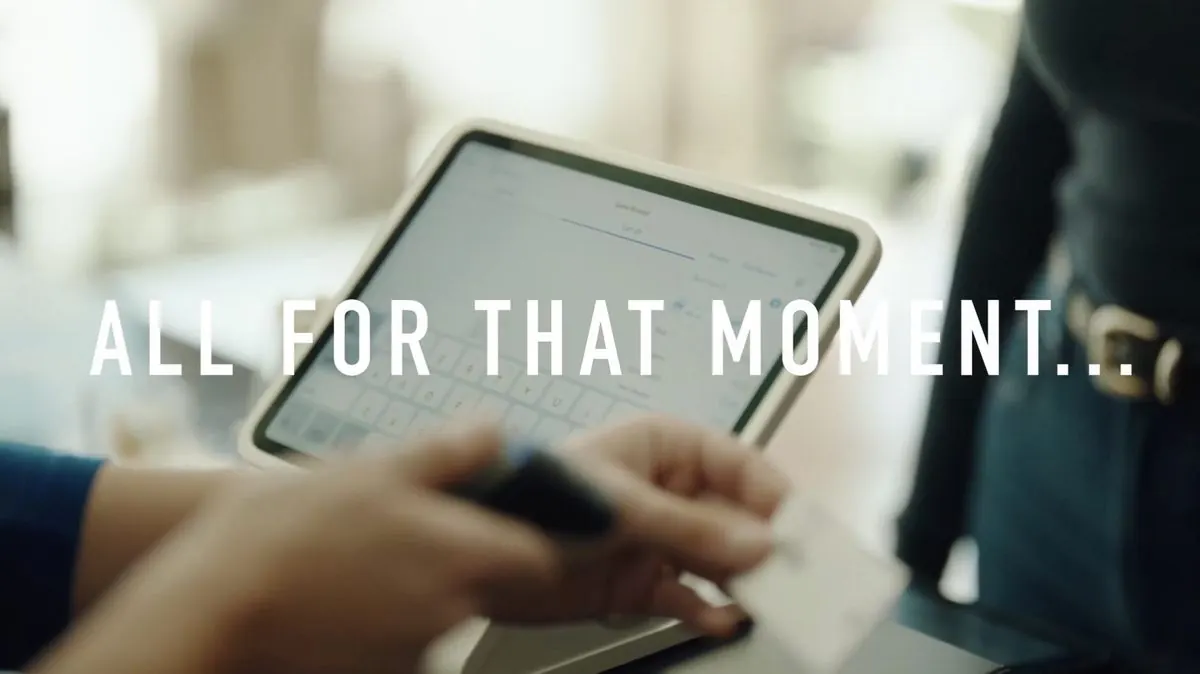
Retail technology vendors like to talk about breakthroughs as if they happen in a single dramatic launch. In practice, the software that ends up actually running a store's day-to-day operations gets there a different way, through a long, unglamorous cycle of testing, listening, and refining. That cycle is less exciting to announce, but it's the part that determines whether a platform still works well two years after go-live, not just on demo day.
Development first, marketing second
It's tempting to prioritize the feature that photographs well over the fix that actually removes friction from a store's daily workflow. We prioritize development because great retail technology starts with great engineering, the unglamorous, structural work of making sure the platform is fast, reliable, and correct before it's flashy. A retailer running 30,000 terminals across 40+ countries doesn't need more surface-level polish; it needs a system that behaves the same way at 9am on a Tuesday as it does during a Black Friday rush.
A dedicated team, not a ticket queue
Retail operations don't pause for a support ticket to work its way through a queue. When a POS goes down during a Saturday rush, or a promotion isn't calculating correctly across channels, the retailer needs a team that already understands their specific configuration, not a generalist working from a script. That's the difference between a support function and a dedicated team focused on a client's success: context that doesn't have to be re-explained every time something needs attention.
A platform that adapts, instead of one that has to be worked around
No two retailers run identical operations, even within the same vertical. A museum's membership and ticketing needs look nothing like a stadium's high-volume concession flow, which looks nothing like a luxury boutique's clienteling requirements. A platform that can only be used one prescribed way forces every retailer to bend their operations to fit the software. The alternative (customizations designed to fit the business, rather than the other way around) is slower to build but is what actually holds up across different retail models.
Shipping guided by what clients actually ask for
Feature roadmaps built purely from internal guesses about what retailers "should" want tend to drift from what retailers actually need on the floor. Releasing new features regularly, guided directly by client feedback, keeps that drift in check, it means the backlog reflects real friction points reported by people running real stores, not a hypothetical customer imagined in a planning meeting. It's a slower, more iterative way to build than a big-bang annual release, but it's also the reason the platform tends to already have the answer when a retailer runs into a new problem.
None of this produces a single dramatic breakthrough moment. It produces something more useful: a platform that keeps getting a little better, a little more reliable, and a little closer to how retailers actually work, one release at a time.